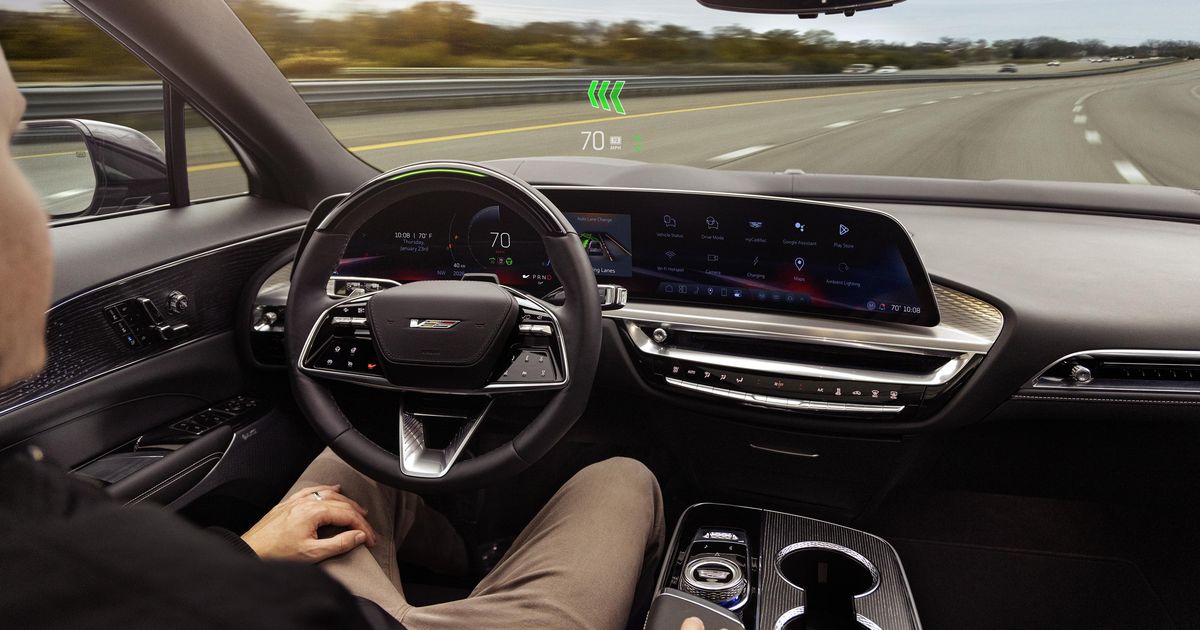

General Motors has cited government regulations as the reason it can’t offer Super Cruise in Australia, but even if these were changed it wouldn’t be as simple as flipping a switch.
Super Cruise is a Level 2+ autonomous driving technology that supports hands-free driving across over a million kilometres of roads in North America – typically divided highways and not city streets, even though it works at all speeds and in stop-and-go traffic.
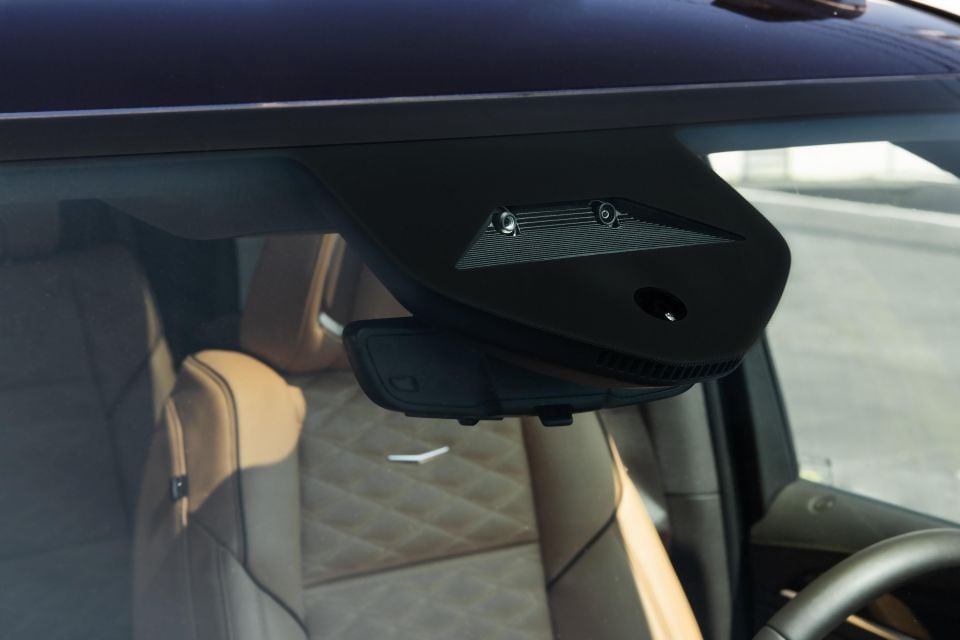
It combines adaptive cruise control and lane-centring functions and uses a camera to monitor the driver and ensure they’re looking ahead, and it has been upgraded to even detect appropriate opportunities for lane changes and execute these.
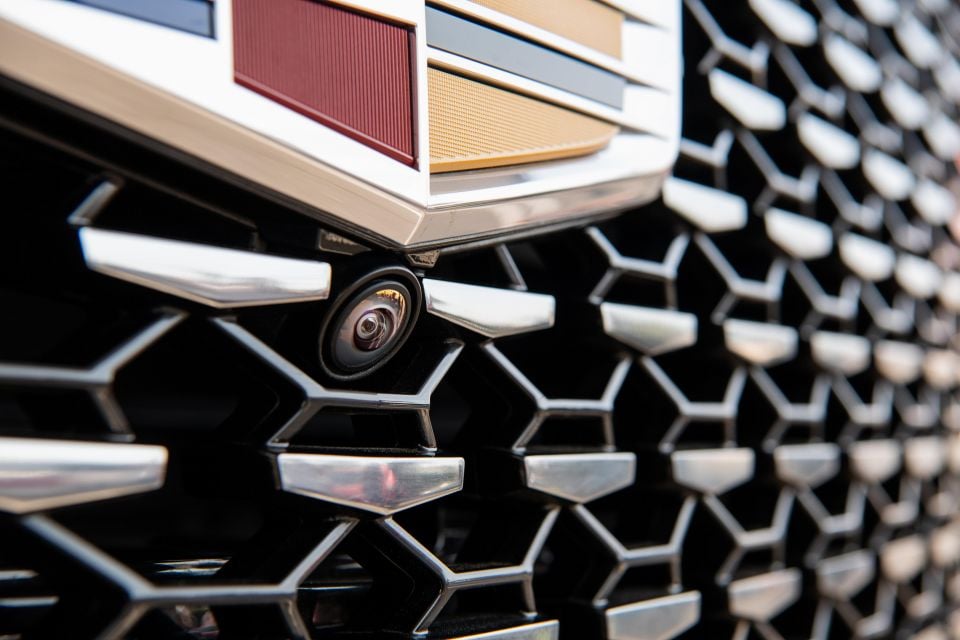
To allow for this hands-free driving, Super Cruise uses a combination of cameras, sensors, radar and GPS data. Crucial to its effectiveness, however, is LiDAR-scanned map data.
Hundreds of new car deals are available through CarExpert right now. Get the experts on your side and score a great deal. Browse now.
“We do have a precision LiDAR map. The vehicles don’t have LiDAR, but the mapping supplier that we contract to go map the road, those are fully LiDAR-equipped vehicles,” Super Cruise product manager Jeff Miller told Australian media in Michigan.
“Mapping typically costs millions of dollars.
“It depends on the scale, the number of miles that you have to map, are they continuous roads,” he said when asked how long mapping takes.
“Typically, it’s about two years to do a country.”
Mr Miller noted that the size of a landmass doesn’t directly correlate with how much of it needs to be mapped, citing the example of Alaska which is roughly the size of Queensland but much more sparsely populated.
GM’s LiDAR map is proprietary, and it doesn’t offer it to other automakers. That includes Ford, which followed GM’s Super Cruise in 2021 with its very similar BlueCruise.
When asked whether other automakers could share the costs of LiDAR mapping, Mr Miller said, “It depends.”
“There are crowdsource maps like Mobileye… And then there’s… TomTom. They all have different maps,” he said.
“They are not high-fidelity, to the level of fidelity that we would like, so we have a separate company that we contract – DMP.”
On the topic of crowdsourced mapping data, Mr Miller said it could work if it came from a high volume of vehicles, and could help address black spots in coverage – for example, where the front camera can’t identify lane markings, which today sees the system tell the driver to take control.
Super Cruise was launched in North America in 2017, though GM subsequently rolled the feature out to China in 2022.
It’s currently offered across more than 20 models, including vehicles already sold in Australia or soon to arrive such as the Chevrolet Silverado, GMC Yukon Denali, and Cadillac Optiq, Lyriq and Vistiq.
Cadillac launched the Lyriq in Australia earlier this year with only lane-keep assist.
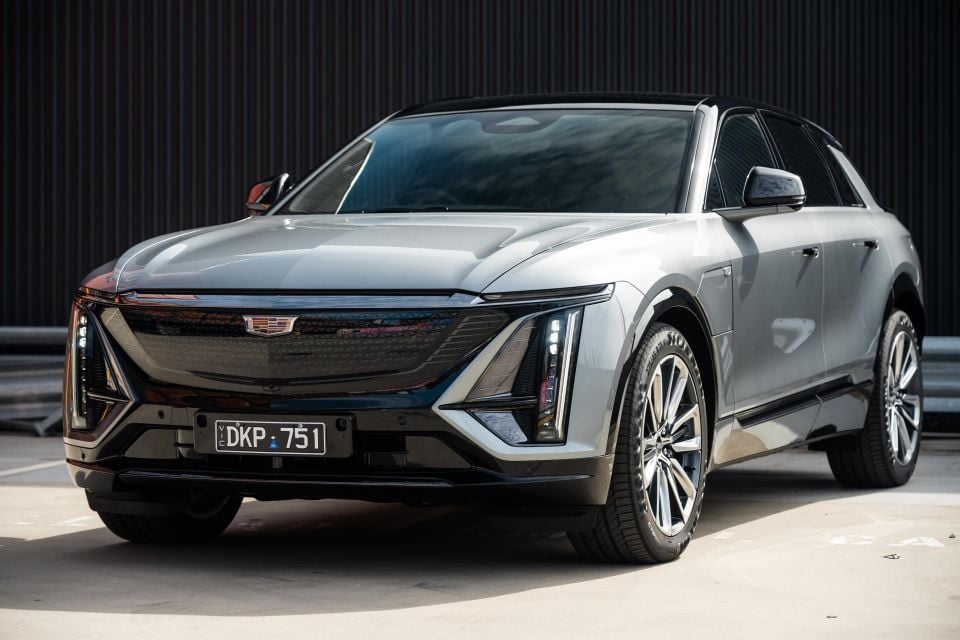
Lane-centring aids have become increasingly common, available even with affordable vehicles from Chinese brands such as Chery, making its omission from the luxury Lyriq conspicuous.
However, in North America GM is rolling out what it calls hands-on lane centring assist (HoLCA) in model year 2026 (MY26) vehicles equipped with Super Cruise.
It’s unclear at this stage whether this feature will be introduced locally, though GM Australia and New Zealand has previously said such a feature could be offered here.
After ceasing operation of robotaxis through its Cruise autonomous vehicle division late last year following a well-publicised collision with a pedestrian, GM says it’s now redirecting resources to enhance its Super Cruise system.
It says by doing so, it’s “emphasising a cautious and safety-first approach to autonomous driving technology”.

“The reason we’ve constrained Super Cruise to where we constrained it too is because you don’t have to worry about pedestrians, people on bikes,” said Mr Miller, referring to GM’s focus on divided highways.
“There’s a lot of those unknown scenarios that you get into that are more difficult to develop around. That obviously increases the cost of the sensing set that you need to detect those.”
Nevertheless, GM continues to expand the availability of Super Cruise.
“In 2017 it was 130,000 miles of roads. In 2019 we were at 200,000. In 2022 we were up to having 400,000, now we’re up to 600,000, so we’re expecting to see those numbers grow,” said Mr Miller.
The system is also being improved through analysis of performance data.
“There is performance data where we can create heat maps to determine where disengagements are occurring, where the higher frequency disengagements are occurring, and then the reason for the disengagements… Is it a mapping issue? Is it a sensor issue? Are the lane lines missing? And then we can go in there and fix those,” said Mr Miller.