
CHENNAI : Scotland captain Kathryn Bryce couldn’t really find any words in May this year. After all, she had never really been in that situation before. ICC’s Associate Player of the Decade with her all-round performance had just made sure her team’s ticket for the T20 World Cup in Bangladesh. That too against, Ireland, one of the favoruites to qualify for the World Cup.
Looking at some of the fixtures in that Qualifier, many would have agreed that there is a need to expand the pool for the women’s competition. Not just for the sake of accommodating more full member nations (excluding Afghanistan), but for giving Associate member nations something to look forward to.
The recent board meeting of the governing body in Colombo essentially acknowledged this by announcing the expansion of the Women’s T20 World Cup to 16 teams in 2030. In a welcome move, in six years, more teams will get the opportunity to test themselves at the highest level, just like Scotland.
A bit of history first. The inaugural Women’s T20 World Cup, hosted in 2009, saw the participation of eight teams. It didn’t even cover all ICC full-member nations at that time. (There were 10 ICC full-member nations in 2009). Three editions went by, with eight teams participating in the World Cup for the shortest format.
Finally, in 2014, the number of participant teams was increased to 10. The top six teams amongst the 10 got through based on ICC’s team rankings, and Bangladesh entered the tournament as a host. For the remaining three spots, the governing body introduced the Women’s World Twenty20 Qualifier.
Eight teams, including full members Pakistan and Sri Lanka, locked horns for a space in the World Cup. To provide for this, ICC went deeper and started the regional championships, namely- Africa, Americas, East Asia Pacific, Europe and Asia. In one stroke, the associate nations earned the opportunity to put their hat in the ring for potentially playing in the World Cup, the highest occasion in the game. Looking back, that was the real expansion of the game from the governing body. The addition of two teams in the 2026 edition and four more by 2030, has created a realistic pathway for the teams in the waiting.
“It is hard to break into that with the funding an associate nation has. To get there allows us to show how far we’ve come and to show the rest of Scotland and the rest of the world how hard these players and coaches have worked. Also what a great opportunity it is for the ones coming after them to see that you can actually be on the world stage.
And for all the other associate nations, it gives them hope that they might be in that position one day too,” Sue Strachan, the former president of Cricket Scotland had told this daily. With this announcement, ICC has opened the doors for more teams to experience what Scotland did earlier this year.
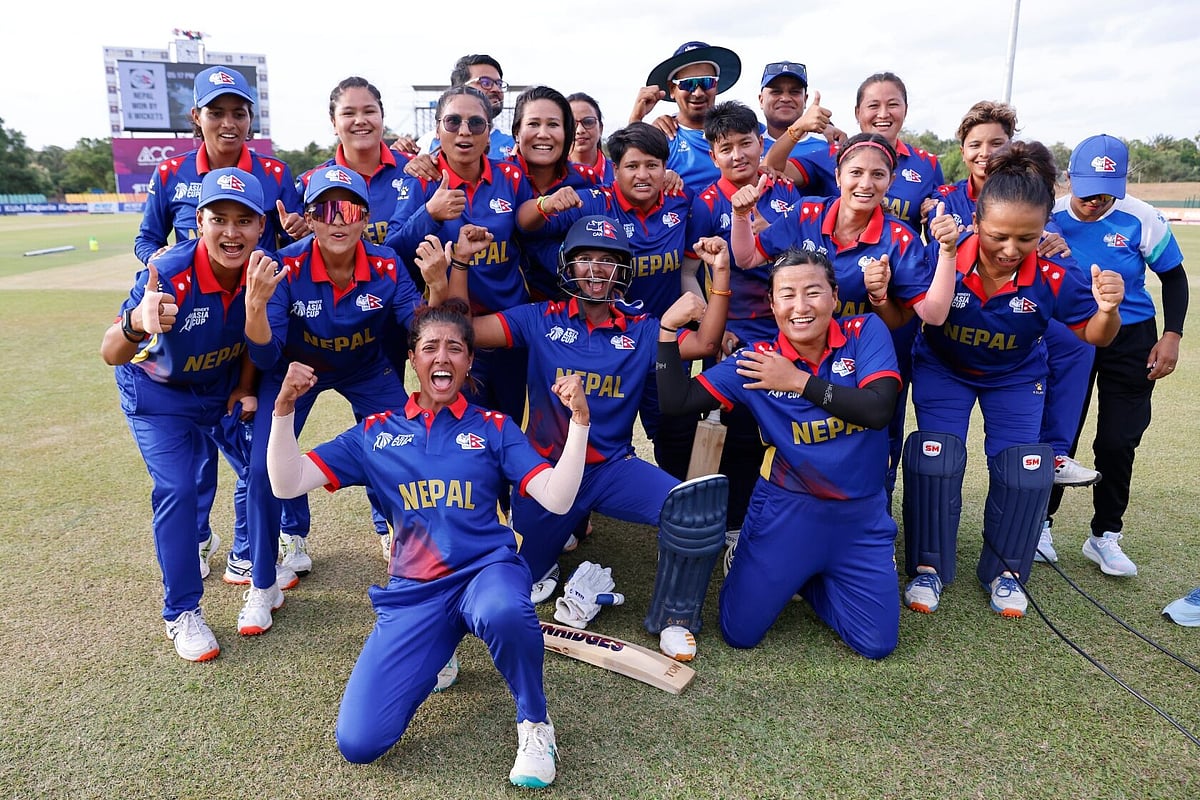
This decision is even more significant looking at the ongoing Asia Cup. One can see a huge gap between the teams that get the opportunity to play. The likes of Nepal, Malaysia and UAE have never played in the T20 World Cup despite playing in the qualifiers on multiple occasions. All over the world, it feels like a reward for cricket boards that have prioritised the growth of women’s game through T20Is, like Brazil for example.
Like the men’s T20 World Cup which expanded from 12 teams in 2007 to 20 in the latest edition in the USA and West Indies, the women’s game needed this expansion. If the 2024 men’s T20 World Cup was any indication, the associate member nations are eagerly waiting for this opportunity to play more fixtures against the top nations. The expansion of the women’s edition might reflect the same. Maybe ICC could have done this soon, but better late than never.