

Materials Used in Rigid
Rigid Flex PCBs combine both rigid and flexible circuitry areas to create a versatile design. They may be multi-layered or single-sided. Rigid flex PCBs can be made with a variety of materials, from FR-4 to Kapton. They can also incorporate stiffeners to reinforce specific areas of the board. Stiffeners are often made from FR-4 fiberglass, but can also be constructed from aluminum or stainless steel. Stiffeners attach to the flex section of the board using acrylic thermally cured adhesives or pressure sensitive ones.
Flexibility allows for greater device density, smaller packaging, and lower cost of production. It is especially useful for high-end applications and is used in mobile phones, digital cameras, domestic appliances, and more. Rigid-flex PCBs are also able to endure shock, vibration, harsh environments, and chemical exposure.
To ensure that your rigid flex board and their connections are reliable, you should follow certain guidelines while designing for manufacturability. These include distributing stress across traces, routing traces perpendicular to bend lines, and offsetting trace layers in double-sided flex PCBs. This helps to prevent the copper from bending and lifting and strengthens the flex circuits. In addition, you should use a cross-hatched copper pattern on flex ribbons to improve flexibility.
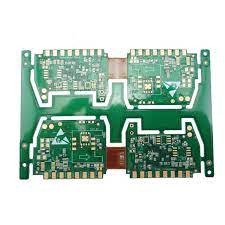
Materials Used in Rigid Flex PCBs
Conductor material: Copper traces on a flex PCB are held in place by the polyimide coverlay. If they are mechanically stressed, they can lift off the coverlay and cause failure. To reduce this risk, a coverlay can be designed with a higher surface area to increase the coverlay’s adhesion. The coverlay can also be routed to avoid stress points by offsetting the routing of traces that intersect with plated through-holes or vias.
Insulation: Rigid flex PCBs have an insulating layer between the conductor layers to protect them from environmental factors like dust, chemicals, solvents, and harsh temperatures. They also help to prevent electrical interference between different circuits.
Bondply: Bondply is a composite material made from layers of polyimide bonded together with epoxy resins. It is often used in the flex sections of rigid-flex boards to encapsulate the etched details and reinforce them. It is often a thicker option than other insulating materials and can be molded to the contours of the flex-section to help with assembly.
Stiffeners: Single-layer and double-layer rigid flex circuits can be strengthened with stiffeners. These are localized rigid material that is attached to the flex circuits using acrylic thermally cured adhesives or Pressure Sensitive Adhesives (PSA). They can be made from a wide range of materials including FR-4, Kapton, and aluminum. These stiffeners add rigidity to the flex circuits to reduce abrasion, weight imbalance, and thermal stress.
A rigid-flex circuit is a powerful alternative to traditional PCBs for its high-density design and ability to resist environmental stresses. These benefits can reduce product size, weight, and cost while increasing functionality and performance. However, a rigid-flex PCB requires careful engineering to optimize its reliability, and there are several common errors that can affect its quality.


