Urethane concrete flooring compare to epoxy flooring
When comparing urethane concrete flooring to epoxy flooring, it becomes clear that both offer unique advantages depending on the environment in which they are used. However, urethane concrete flooring has emerged as the superior choice for facilities that demand extreme durability, thermal shock resistance, and long-term performance. While epoxy floors are known for their glossy appearance and chemical resistance, they often fall short in harsh industrial conditions where temperature fluctuations and heavy moisture are present. Urethane concrete flooring, on the other hand, provides unmatched strength and resilience, making it the top choice for wet process areas and heavy-duty applications.
The key difference between urethane concrete flooring and epoxy flooring lies in their chemical makeup and how they react under stress. Urethane concrete flooring is a hybrid material made from urethane resins and cementitious compounds, creating a dense and flexible surface that bonds tightly to the substrate. This composition allows it to expand and contract at the same rate as the concrete base, preventing cracking or delamination. Epoxy flooring, while strong, tends to be more rigid and less tolerant of temperature changes. In environments where hot water, steam, or cold washes are frequent, epoxy can lose adhesion and peel away from the substrate, whereas urethane concrete flooring remains firmly intact due to its superior thermal shock resistance.
Thermal shock resistance is one of the standout benefits of urethane concrete flooring. Industrial facilities such as breweries, dairies, and commercial kitchens often expose their floors to rapid temperature swings—from boiling liquids to chilled cleaning solutions. In such conditions, epoxy floors can crack or bubble, leading to costly repairs and downtime. Urethane concrete flooring, however, maintains stability even under extreme temperature shifts, ensuring a seamless, long-lasting surface. Its ability to handle both heat and cold without degradation makes it an ideal solution for environments where maintaining a hygienic and durable floor is critical.
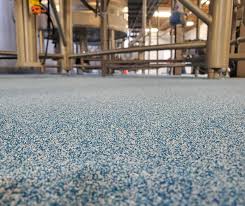
How does urethane concrete flooring compare to epoxy flooring?
Another important factor in this comparison is chemical and moisture resistance. Both flooring systems perform well against certain chemicals, but urethane concrete flooring has a clear edge in wet environments. Epoxy floors are non-porous but can become slippery and may discolor or soften over time when constantly exposed to moisture. Urethane concrete flooring not only resists water penetration but also retains its mechanical strength and slip resistance, even in constantly wet or humid conditions. This makes it the preferred choice for food processing plants, beverage production areas, and pharmaceutical facilities where cleanliness and safety are top priorities.
Durability and maintenance also set urethane concrete flooring apart from epoxy systems. While epoxy flooring is suitable for light to moderate use, it can wear down faster under heavy traffic or mechanical loads. Urethane concrete flooring is designed to handle forklifts, heavy equipment, and constant foot traffic without showing signs of wear or damage. It also requires minimal maintenance, as its dense surface resists scratches, impacts, and stains. In high-demand settings, this translates to longer service life and fewer interruptions for repair or replacement.
Ultimately, when evaluating the long-term value and performance of both materials, urethane concrete flooring stands out as the best high-performance industrial flooring system. Its unique chemistry offers superior thermal shock resistance, flexibility, and durability that epoxy flooring simply cannot match. For industries that deal with wet processes, temperature extremes, or heavy-duty operations, urethane concrete flooring provides the perfect combination of strength and stability. By expanding and contracting with the substrate and maintaining its bond under stress, it eliminates concerns of delamination and failure, ensuring a safe, hygienic, and cost-effective flooring solution for years to come.