
CHENNAI: During China’s Cultural Revolution in the 1960s and 1970s, chess was seen as a ‘decadence’ of the West. The result was an official ban on the game. Post the Revolution, a meeting in Kuala Lumpur saw a course correction.
Titled the ‘Big Dragon Project’, the 1974 meeting had Asian officials wanting to spread the game across the continent. Unsurprisingly, China, given its numbers, was selected as Ground Zero for chess’ untapped potential in the continent.
A few years after the project came to life, a Chinese team made heads turn at the 1978 Olympiad. In the first round, they beat a strong Iceland team 3-1. One of the games in the match saw Guomundur Sigurjonsson lose to the unheralded Qi Jingxuan. It prompted Jan Hein Donner, a member of the Dutch team, to quip: “Tell me, Grandmaster,” he had reportedly asked according to chess.com. “How can a western European GM lose to a Chinaman.”
In the eighth round, Donner lost to Liu Wenzhe. In a game since labelled as the ‘Chinese Immortal’, Donner resigned but he still managed a repartee. “Now 800 million Chinese people will know my name.”
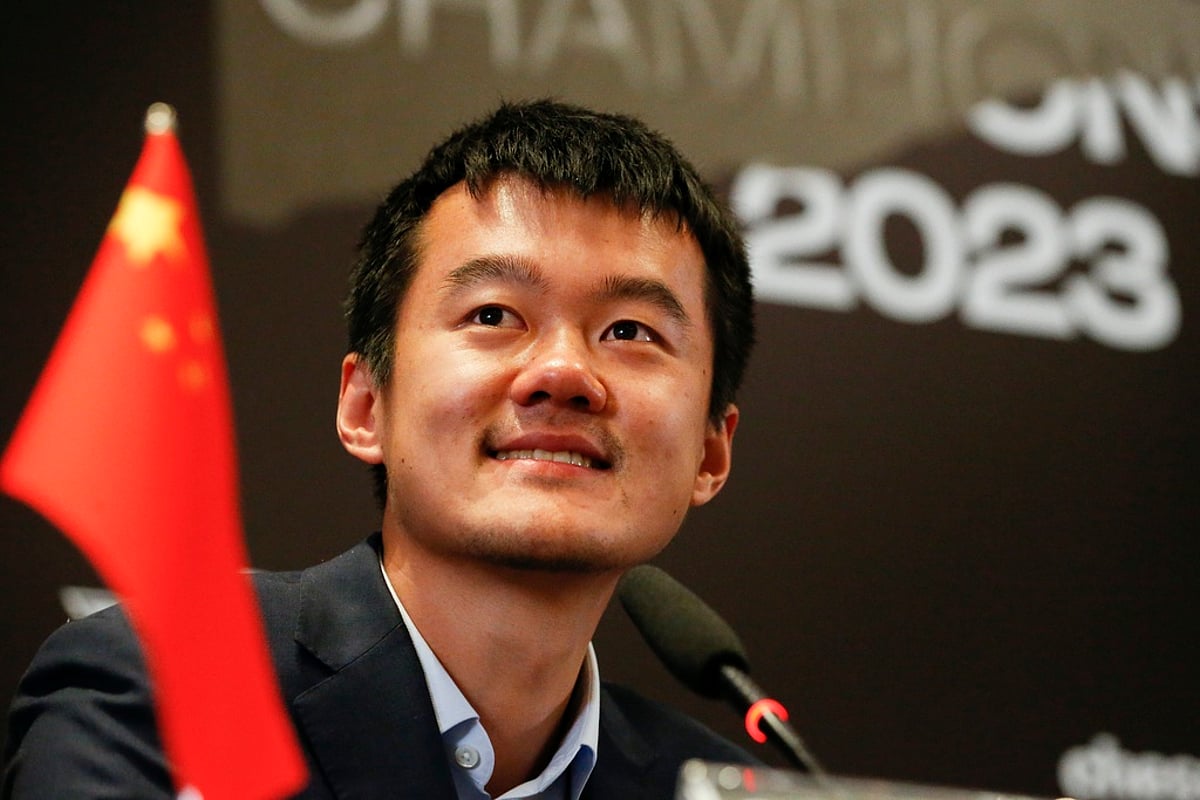
These days, chess, like all games, may have a common language but both world champions in the Classical format are native Chinese speakers. Ju Wenjun in the women’s section who has held the title since 2018. In 2023, the apogee of the Red Dragon Project was realised after Ding Liren beat Ian Nepomniachtchi in an emotionally-charged, bum-clenching Rapid playoff after the best-of-14 Classical match-up was tied 7-7.