Reformer Help With Back Pain
Many people experience back pain at some point in their lives. While it can be due to many factors, lower back sensitivity is often a sign of weak core muscles and poor posture. Pilates on the Reformer can help strengthen the core and improve posture, helping reduce back pain and prevent future issues.
The Reformer’s sliding carriage and movable springs create instability during workouts, which requires tighter control and more engagement from the core. The result is improved balance and all-around stability.
A defining feature of the Reformer is that it can accommodate the needs of people of all abilities, from beginner to advanced. Depending on the desired challenge, the instructor can adjust the spring tension to make exercises easier or harder. This allows students of all fitness levels to progress and improve their skills safely.
The ability to customize the machine makes it ideal for those who want to get a strong, healthy body without overdoing it. Students can add in additional resistance as their strength grows and as they become more confident in their core strength. The individualized approach to Pilates also makes it a great option for those with chronic back problems.
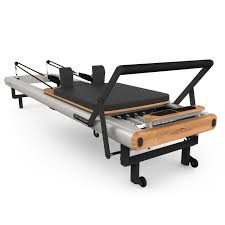
Can Pilates on the Reformer Help With Back Pain?
If you’re dealing with chronic back pain or are worried about putting too much pressure on your lower back, it’s important to work with a qualified Pilates instructor who can modify the movements and use the equipment to reduce the load on the back. In addition, it’s always a good idea to speak with a medical professional who is familiar with Pilates and can advise on how it may impact your injury or condition.
In a private Pilates session, instructors can offer specific modifications to any exercise that might be too challenging for someone with back pain or a preexisting spinal condition. These adjustments may include using a smaller spring setting or increasing the number of repetitions for an exercise.
A reformer session can be a great way to build strength and flexibility in the lower back, hips, and buttocks, all of which contribute to supporting the spine and improving balance and posture. The movements can also help improve breathing and promote relaxation.
The reformer can also help you do moves that would be difficult to perform on the floor. For example, doing double leg raises on the floor can be challenging for those with back pain because it’s hard to lift your legs and maintain a straight spine. However, with the reformer’s foot bar and straps this can be made easy by supporting the weight of your feet, making the move less challenging but still effective.
Another benefit of working out with a Reformer is that it can help with strengthening the feet, which can help relieve stress on the knees and ankles. The footwork series done on the reformer is a good example of how this can be achieved. The footwork series is done lying on the footbar with both feet supported by it, focusing on strengthening the bones and muscles of the feet, as well as the ankles.